By Frank — Lulu African Safaris · 5 January 2026 · 7 min read
There is no single best time to visit the Serengeti — only the best time for what you want to see. The park is 15,000 km² and the wildlife rotates around it in a slow, rain-driven loop. Pick the season that matches your priority: crossings, calving, big cats or fewer vehicles.
January–March — calving season on the southern plains
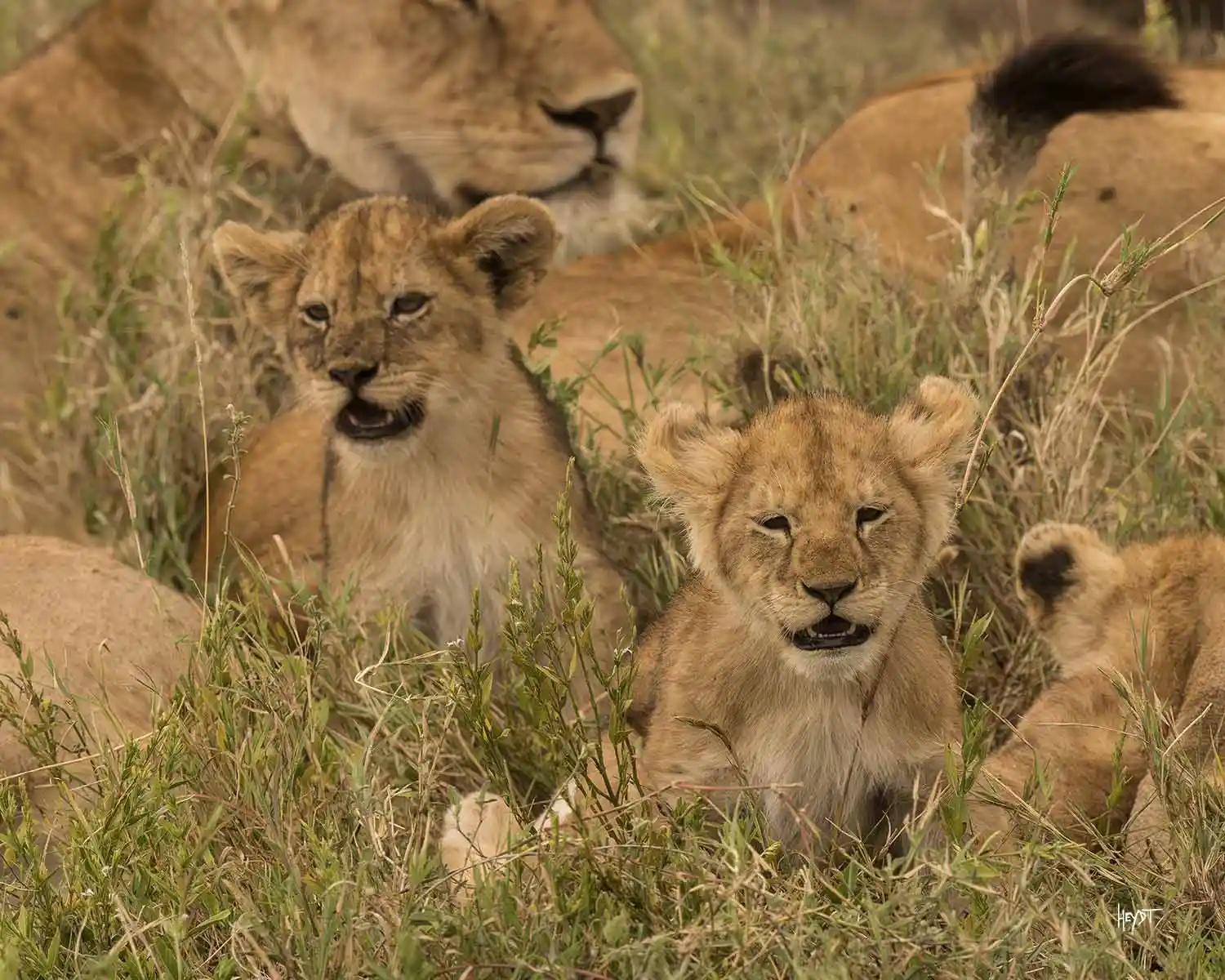
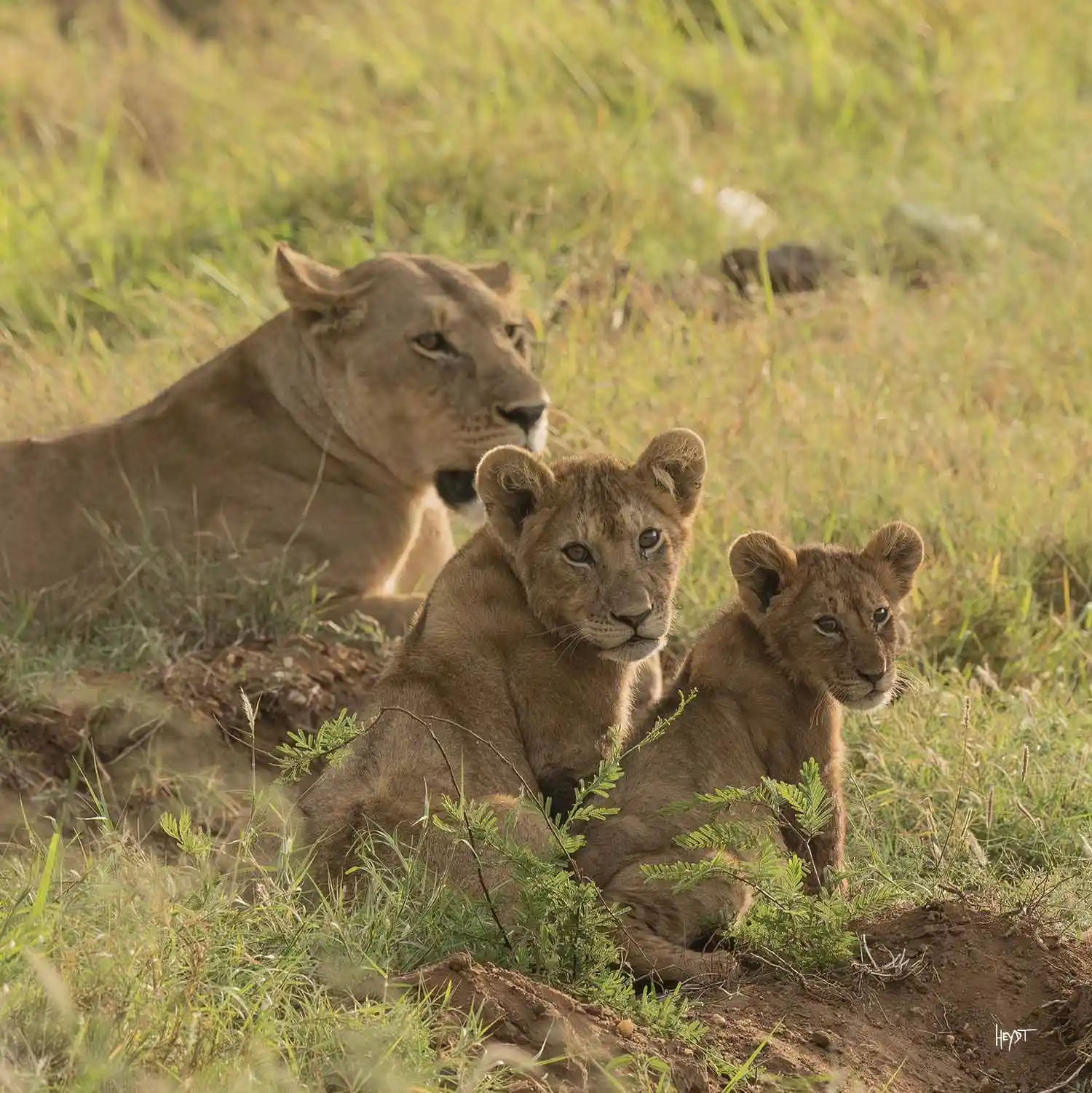
The herds are on the short-grass plains around Ndutu and southern Serengeti. February is peak calving: around 8,000 wildebeest calves born every day. Predator action is intense — this is our favourite window for photographers who care about big cats more than crossings.
April–May — green season, low prices
The long rains. Fewer vehicles, dramatic skies, lush landscapes and lodges at 25–40% off. Some remote camps close. Wildlife is still excellent — you just share it with fewer people.
June — the Grumeti crossings
The herds push through the Western Corridor. Early river crossings begin at the Grumeti. Weather is dry and cool. A quiet, underrated month for the Great Migration.
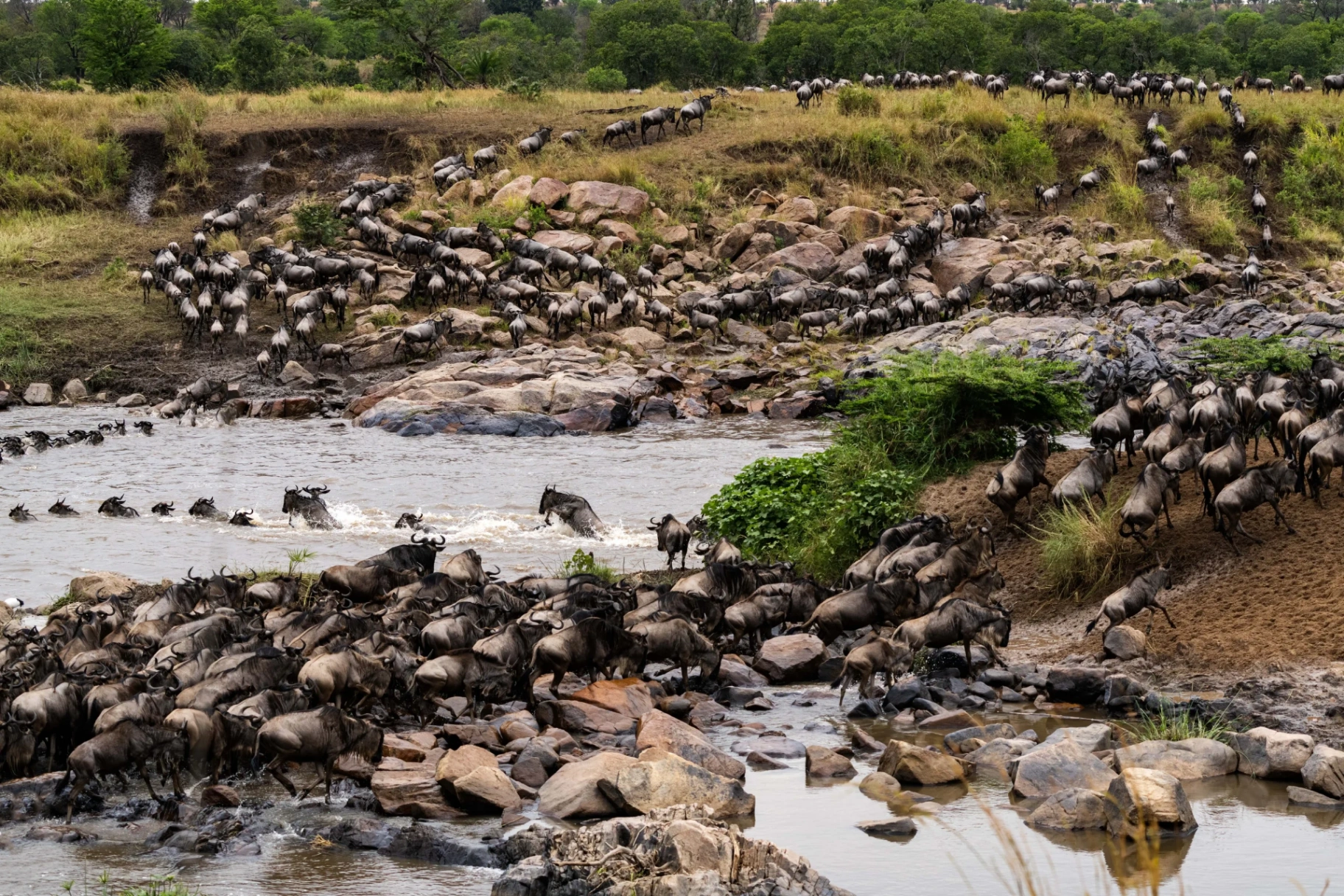
July–October — Mara River crossings (peak season)
The famous crossings at Kogatende and Lamai in the northern Serengeti. August and September are the most reliable months. This is peak season — book 9–12 months ahead for the best camps.
November–December — return to the south
Short rains push the herds back toward Ndutu. Early December is a hidden sweet spot — quiet camps, herds returning to the short-grass plains, festive-season atmosphere without festive-season crowds.